
A first brew-day cluster: ferment a batch, measure gravity, cap bottles. Searches, not a cart we hold.
Cited rooms make beer commercially and print a tap list. The home counterpart is below. Ferment a batch, then read the result the same way you read a board: name, style, and a strength number.
Three pieces belong together. A homebrew starter is the fermenter and the basic brew-day tools. A hydrometer is how you get original and final gravity instead of guessing ABV. A bottle capper seals crown caps on beer bottles. Pint glasses sit after that, for the first pour.
Jobs on a first brew day
| Piece | Job | What it is not |
|---|---|---|
| Homebrew starter | The fermenter, lid, airlock, siphon, sanitizer, and often a first extract recipe. Turns wort into beer at home. Follow the booklet that ships with the kit you buy. | Kitchen hardware. Follow the booklet that ships with the kit you buy. |
| Hydrometer | Measures specific gravity of wort and beer. The American Homebrewers Association’s hydrometer page: take a reading before pitching yeast, and again after visible fermentation has ceased. | A brewing hydrometer for wort and beer, with a sample jar tall enough to float freely. |
| Bottle capper | Crimps a crown cap onto a filled beer bottle so the batch can carbonate in the bottle. | Crown caps on beer bottles after you fill them. |
| Pint glasses | Optional first pour after the beer has conditioned. Look at head and carbonation the way a taproom pours a pint. Skip this search if you already have a glass. | Optional. Skip if you already have a glass for the first conditioned bottle. |
How a hydrometer talks to a tap list
On a tasting-room board, ABV is a printed number. How to read a tap list treats that column as the room’s figure, not a guess. At home nobody prints it for you. You measure.
The AHA’s How to Take an Accurate Hydrometer Reading states the job in brewing terms: a hydrometer floats in a sample; the liquid surface on the scale is specific gravity. Brewers often read 1.030 as “ten-thirty.” Readings are typically taken before pitching the yeast (original gravity) and after visible signs of fermentation have ceased (final gravity). Put the sample in a vessel large enough that the hydrometer floats freely, then read the bottom of the meniscus. Not where the liquid appears to stop on the glass.
The drop from original gravity to final gravity is how a home batch gets a strength number. Do not invent a gravity pair on this page. If a kit booklet prints an expected original gravity, that is the kit’s number. If a room prints 5.5% ABV, that is the room’s number. See Ten10’s public brews table on the tap-list guide. Yeast family (ale versus lager) still applies in a bucket; that split is lager vs ale, cited from BJCP and the AHA.
Bottle day, then a pint
When gravity is stable and the kit instructions say the beer is ready to package, the beer leaves the fermenter for bottles. A bottle capper exists for crown caps on beer bottles. The same closure most 12-ounce bottles use. Sanitize bottles and caps; fill; cap. Conditioning time is whatever the kit booklet prints. This page does not invent a schedule.
Pint glasses belong only after that. A first pour is how you look at the beer you bottled: head, carbonation, color. If you already drink from a pint at the rooms on the brewery list, you already have this piece.
First brew-day sequence
Kit booklets differ. The AHA hydrometer page plus a typical extract starter kit agree on this order. Follow the booklet that came with the starter you buy.
- Sanitize. Fermenter, lid, airlock, spoon, siphon, hydrometer jar. Anything that will touch cooled wort.
- Make wort. The starter kit’s recipe or extract pouch is the wort.
- Original gravity. Sample, float the hydrometer, read the meniscus. Write the number down. Pitch yeast after that reading.
- Ferment. Airlock on. Temperature is the yeast’s job. Ale and lager bands are on the lager-vs-ale guide, not a guess from this page.
- Final gravity. When visible fermentation has ceased, sample again. AHA: take that second reading before you package. If the kit says wait for a stable pair of readings, do that.
- Bottle and cap. Fill beer bottles. Crown-cap with a bottle capper.
- First pour. After the booklet’s conditioning window, pour a pint. Then go drink someone else’s beer at a cited Orlando room when you want a public tap list.
Kit to try
Affiliate suggestions, not our stock. No Add to cart, no ASINs, no prices.
-
1 · Ferment
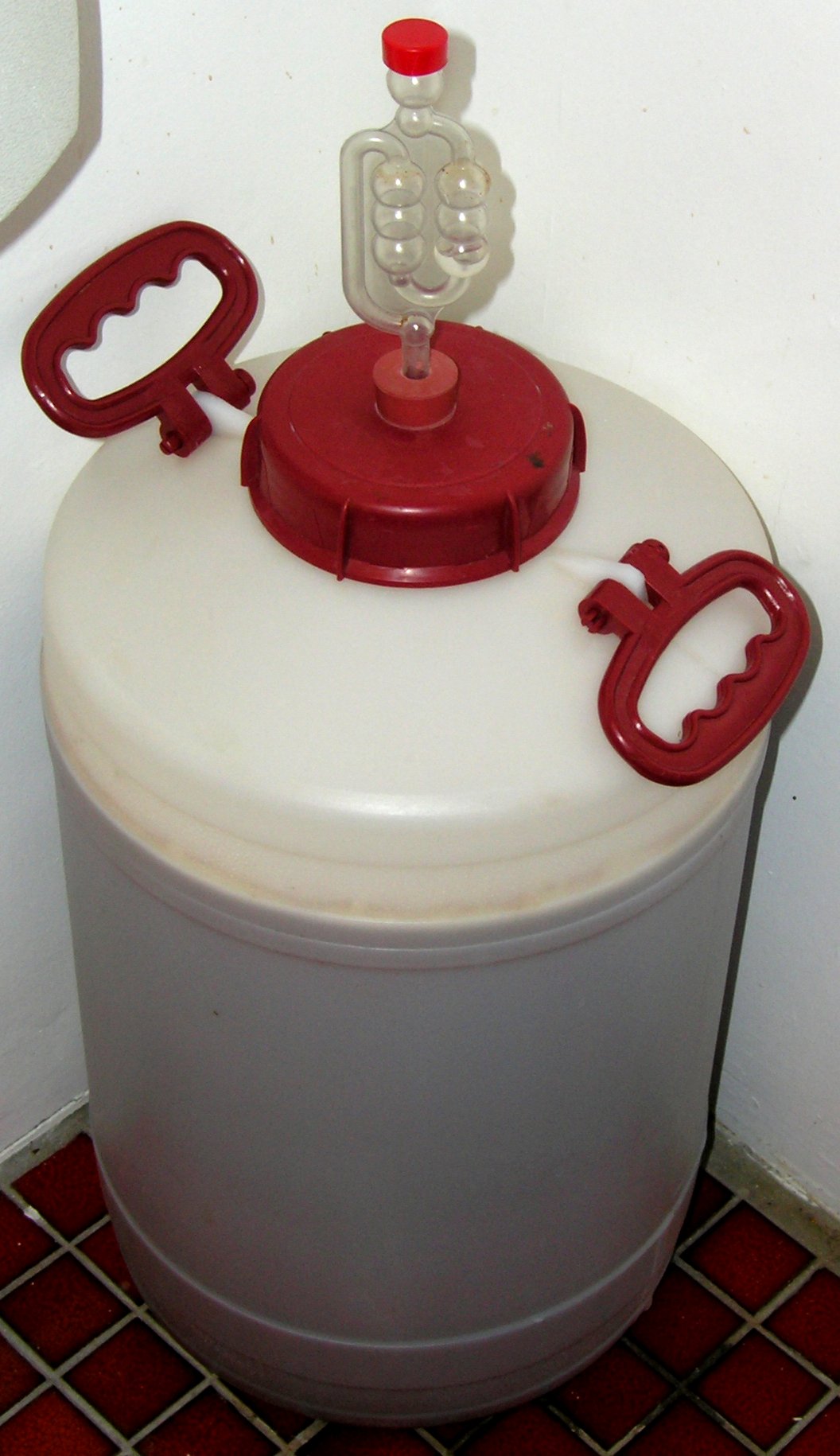
Fermenter
A brewing bucket with a spigot for the first batch at home.
Get this -
2 · Airlock
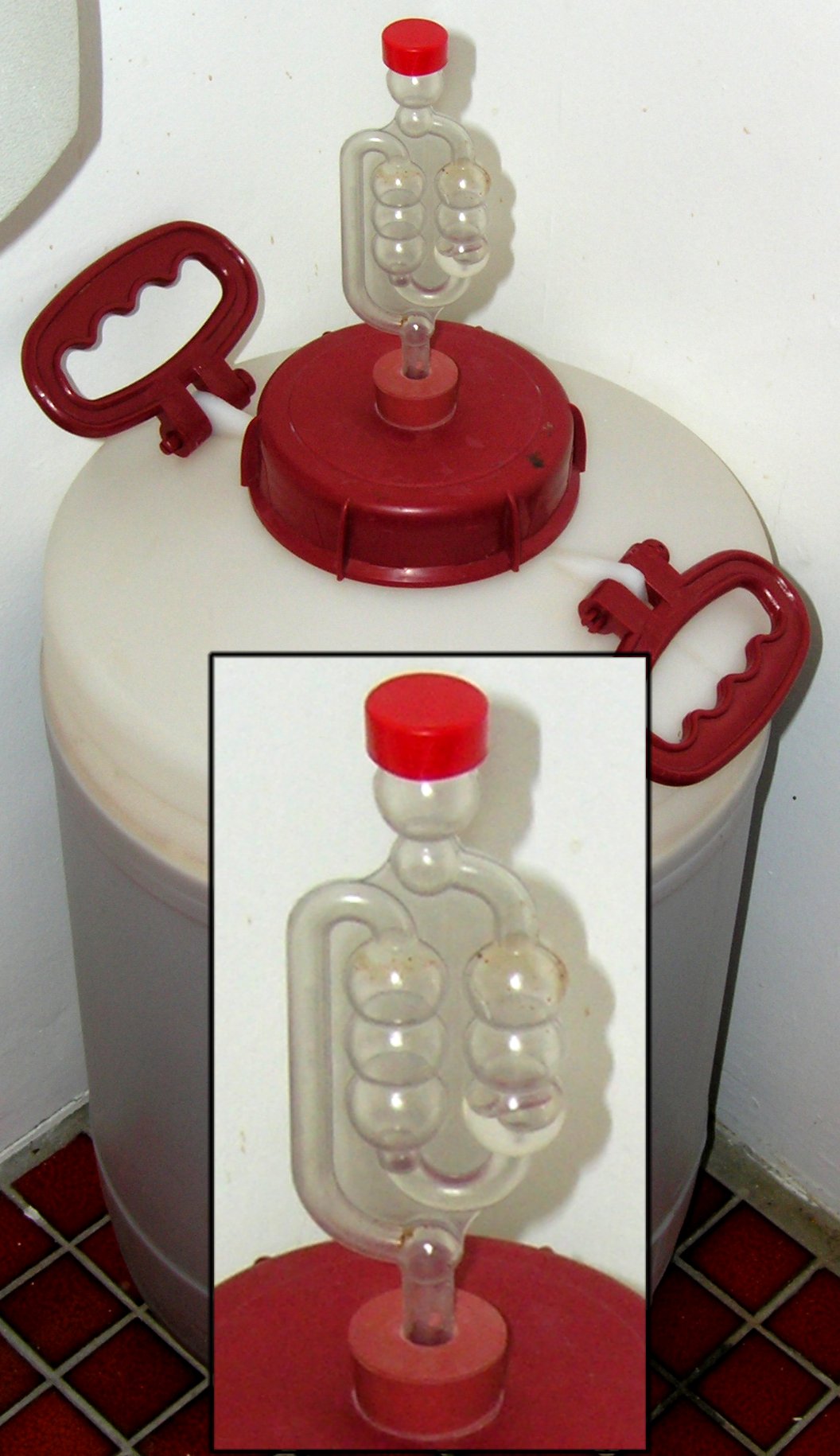
Airlock and bung
Lets CO₂ out of the fermenter while the yeast works.
Get this -
3 · Measure
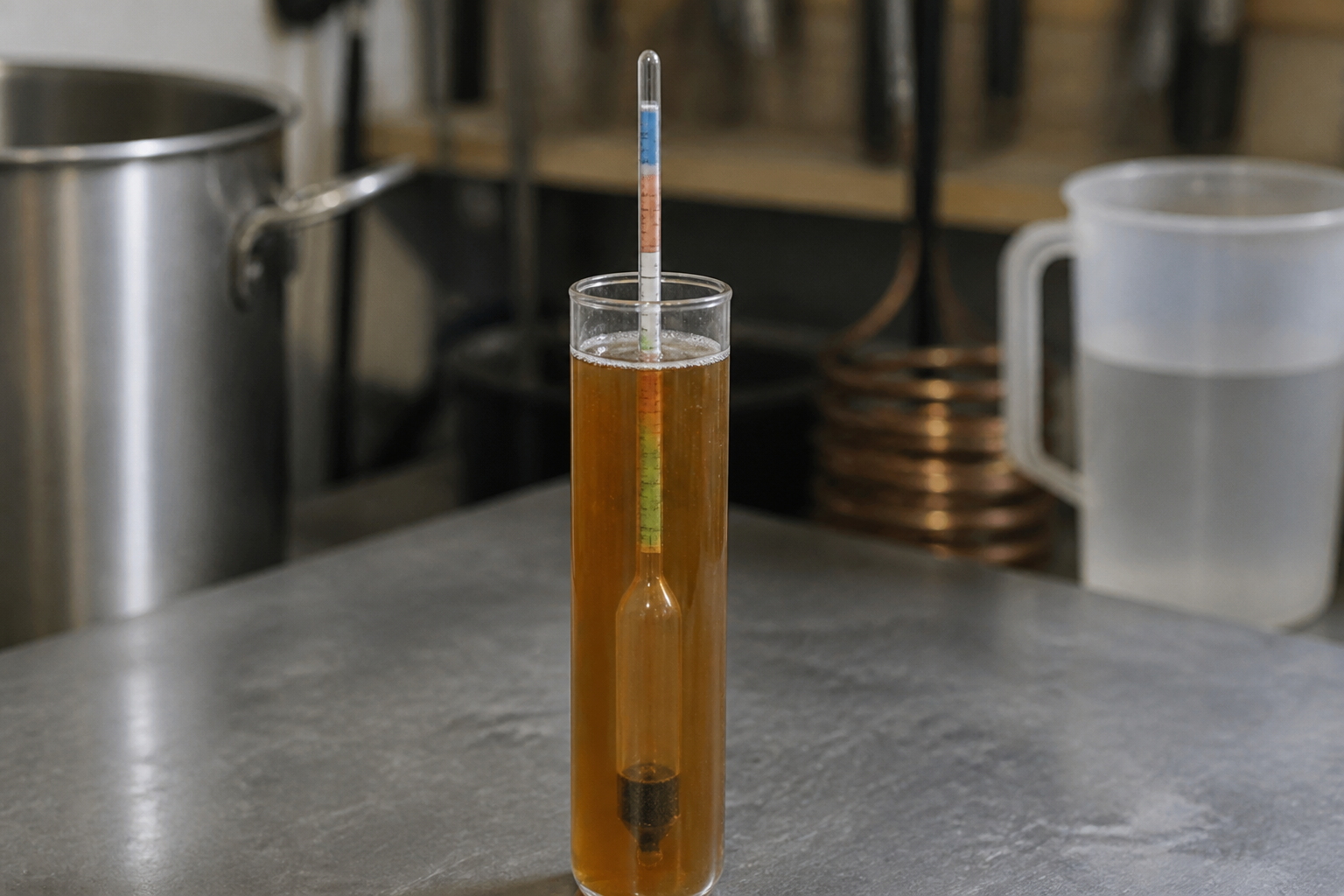
Hydrometer
Specific gravity of wort and beer, original and final.
Get this -
4 · Package
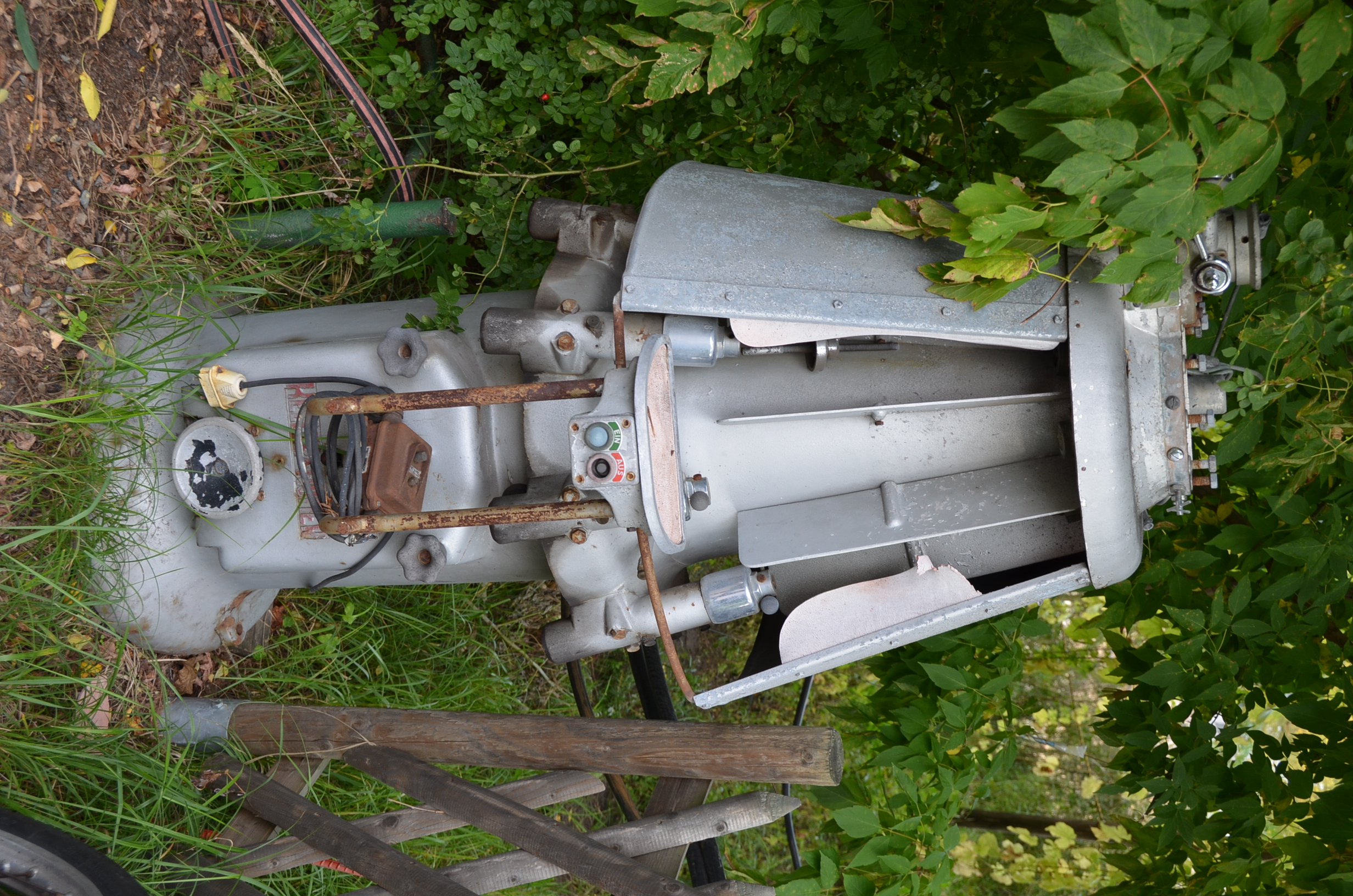
Bottle capper
Crown caps on filled beer bottles after the gravity reading holds.
Get this
FAQ
- What is in this kit?
- A fermenter, a hydrometer for wort and beer, a bottle capper for crown caps, and an optional pint for the first pour.
- Do you sell these pieces?
- No. Affiliate suggestions, not our stock, not a cart, not SKUs we hold. See disclosure.
- Why a hydrometer if tap lists already print ABV?
- Rooms print the number. At home nobody prints it. Original gravity before you pitch yeast, final gravity after fermentation ceases. That is the AHA hydrometer page, and it is how a home batch gets a strength figure. See How to read a tap list.
- Do I need pint glasses?
- Only if you want a glass for the first conditioned bottle. They are pour gear for looking at head and carbonation, not a required fermenter part. Skip them if you already drink pints at cited Orlando rooms.
Then leave this page
Buy nothing here. Skip the kit and go read a cited room. The live list is still the brewery’s public page or the board in the room. Orlando breweries. For name / style / ABV on that board, how to read a tap list.
Updated 2026-08-31.
Sources
- American Homebrewers Association. How to Take an Accurate Hydrometer Reading. specific gravity, “ten-thirty” reading, sample vessel, meniscus, readings before pitch and after fermentation ceases.
- American Homebrewers Association. What’s the Difference Between Ale and Lager?. yeast species and temperature bands for the ferment step.
- BJCP Style Guidelines. public reference for style families that sit on top of yeast family.
- Orlando Tap Works. How to read a tap list. name / style / ABV on a board; rooms print ABV, a hydrometer is how a home batch gets a number.
- Orlando Tap Works. Breweries. cited Orlando tasting rooms. This kit is not those rooms’ equipment list.
- Orlando Tap Works. Disclosure. affiliate notice. Operator Tabaconda LLC, sales@tabaconda.com.